AI is following Moore’s Law perfectly (its ability is doubling every two years).
What it couldn’t do at all a few years ago, it’s now competent at it. In two more years, it’ll be better than a recognized expert.
HR managers can use AI in a variety of ways. The options range from making recruitment easier to enhancing your ability to plan the workforce.
In this guide, you’ll learn 7 ways to use AI to improve various aspects of human resources.
1. Streamlining Recruitment
Resume screening and candidate shortlisting
Nobody enjoys combing through hundreds of résumés that all seem to use the word “innovative” fifteen times.
AI takes over the mundane aspects of this work by scanning applications, flagging the ones that match the role instead of the ones that just use clever keyword stuffing.
It’s essentially a filter that saves HR managers from developing carpal tunnel from endless scrolling.
Keep in mind that AI can make mistakes or have biases as well, so there should be checks and balances in place.
Get rid of manual repetitive paperwork with robust document automation
LEARN MORE
Predicting candidate success and cultural fit
Hiring isn’t just about skills—it’s about figuring out who won’t quit after two weeks. AI tools analyze patterns from past hires to estimate who’s likely to succeed and blend in with the team.
OF course, it might not know if someone will join the office bowling league, but it can spot qualities that align with long-term performance.
That means fewer bad hires and fewer awkward probation-period conversations.
Reducing hiring time and bias
AI also cuts down the hiring marathon into something closer to a sprint. By automating screening, scheduling, and even initial interview steps, the process becomes quicker for both HR and candidates.
Plus, it helps reduce bias. While no system is flawless, an algorithm is at least less likely to favor someone simply because they went to the same university as the recruiter.
Again, that doesn’t mean bias doesn’t exist. It does, even with an AI system. The biases aren’t as pervasive and it goes a long way toward leveling the playing field.
2. Enhancing Onboarding Experiences
AI chatbots guiding new hires through policies and FAQs
Starting a new job often feels like being dropped in the middle of a board game without the rulebook.
Instead of waiting three days for someone in HR to answer “Where do I find the vacation request form?”, AI chatbots can guide new hires through the basics.
They’re like that overly enthusiastic coworker who always has an answer. The only difference? They don’t corner you in the breakroom to explain it.
Personalized onboarding paths
Not every hire needs the same onboarding checklist. A marketing manager doesn’t need the same crash course as a junior developer, unless you plan to confuse everyone and giggle over their reactions.
AI can tailor onboarding paths so that employees only get the information that matters to their role. This saves time and prevents the glazed-over look people get when sitting through yet another generic PowerPoint presentation.
You know what we’re talking about.
Smoother transition into company culture
Culture can’t really be “taught” in a slide deck, but AI can at least make the landing softer.
From nudging new hires toward relevant Slack channels to recommending mentors they’ll click with, AI helps employees feel less like outsiders.
It’s not going to replace the awkward first lunch with the team, but it does give people a head start in figuring out how things work.
3. Improving Employee Engagement
Sentiment analysis of feedback and surveys
Most employees don’t say exactly what they mean in surveys. “Everything’s fine” usually translates to “I’m already updating my LinkedIn profile.”
AI can dig into the language people use in feedback and detect patterns that point to real issues. Instead of HR managers sifting through vague responses, AI highlights the areas that deserve actual attention.
It’s a little like reading between the lines, but with a massive amount of data and pattern recognition to back you up.
Monitoring employee morale through digital channels
Morale doesn’t tank overnight. Instead, it leaks slowly through email tone, chat responses, and meeting participation.
AI tools now monitor those signals, tracking shifts in engagement without being creepy about it. Think of it as a morale smoke detector: it notices subtle changes before the entire floor is metaphorically on fire.
The goal isn’t to spy but to spot red flags early enough to do something useful.
Early intervention strategies
Once AI points out the warning signs, HR managers can step in before disengagement turns into mass resignations.
Whether it’s flagging workload imbalances, nudging managers to have conversations with their teams, or offering targeted resources, AI helps HR move from reacting to problems to preventing them.
Employees might still grumble about the coffee machine, but at least they won’t feel ignored.
Document and customer insights at your fingertips
LEARN MORE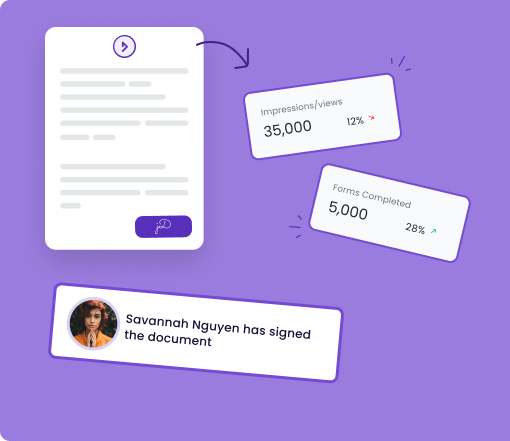
4. Supporting Learning and Development
Personalized training recommendations
Generic training sessions are about as effective as handing out the same self-help book to everyone and expecting identical results.
AI changes that by recommending training tailored to each employee’s role, strengths, and career goals.
Instead of forcing the whole office to sit through a workshop on “Advanced Excel Macros,” employees get resources they’ll use. HR comes off looking like it read everyone’s mind, when in reality, it’s just clever algorithms doing the matchmaking.
Adaptive learning platforms based on skill gaps
Traditional training assumes everyone starts from the same point, which is rarely true. Adaptive learning platforms, powered by AI, figure out where someone’s skill gaps are and adjust content accordingly.
These platforms can also integrate AI video to deliver personalized lessons, interactive explanations, and visual feedback tailored to each learner’s pace.
Employees can move faster through what they already know and focus on areas that need attention. It’s a lot like having a tutor who doesn’t get frustrated when you ask the same question three times.
Aligning development with career paths
AI can also play career coach by mapping learning opportunities to long-term career trajectories. Instead of offering training in a vacuum, it suggests development programs that align with where employees want to go.
This makes people feel like the company actually cares about their future, rather than just keeping them busy. It also helps reduce turnover, because when employees see a clear path forward, they’re less likely to jump ship for the next shiny job offer.
5. Optimizing Workforce Planning
Predictive analytics for staffing needs
Guesswork isn’t much of a strategy when it comes to workforce planning. Relying on “gut feelings” usually leads to either too many people sitting around with nothing to do or not enough staff to keep things running.
AI predictive analytics helps HR managers forecast staffing needs more accurately. It looks at historical data, seasonal fluctuations, and business growth patterns to suggest when to bring in reinforcements or when it’s safe to hold back.
Basically, it’s like a weather forecast for your workforce, but far less likely to get it wrong.
Identifying potential shortages or surpluses
Nobody likes discovering too late that they’ve overhired or that half the team is on the brink of burnout. AI can spot these patterns early by tracking productivity metrics, absenteeism, and project timelines.
If there’s a looming shortage in one department and a surplus in another, AI throws up a flag before HR is stuck explaining why the sales team is drowning while the marketing team has started making TikToks just to kill time.
Data-driven hiring and redeployment decisions
Once the numbers are clear, HR managers can make smarter decisions about where to hire and when to redeploy existing staff.
Instead of making changes based on who shouts the loudest in meetings, choices are backed by data. This makes workforce planning less political and more practical.
It also gives HR a solid defense when someone complains about resources being shifted—they can point to the data and say, “Take it up with the algorithm.”
6. Automating Routine HR Tasks
Payroll, leave management, and compliance automation
If there’s one thing guaranteed to test an HR manager’s patience, it’s chasing down timesheets or fixing payroll errors.
AI takes a lot of that off the table.
Payroll runs smoother, leave requests don’t get lost in someone’s inbox, and compliance checklists practically manage themselves. Employees stop asking, “Did you get my form?” and HR finally escapes the endless paperwork treadmill.
Reducing administrative workload
Let’s be honest: a lot of HR time is eaten up by repetitive, low-value tasks.
Take advantage of AI-powered document drafting to move 4X faster
LEARN MORE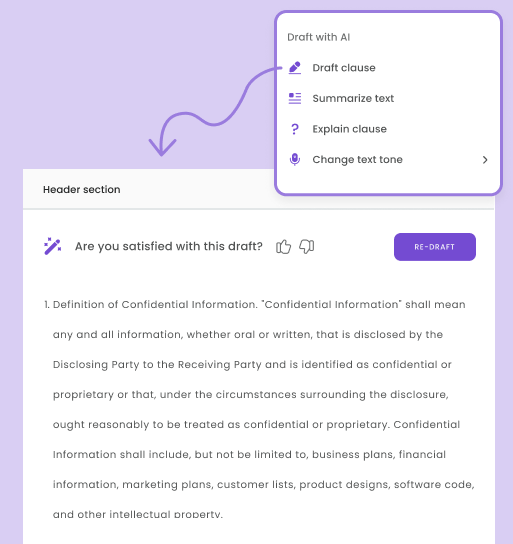
Automating those isn’t just a convenience; it’s a sanity saver. AI tools handle scheduling, reminders, approvals, and documentation with zero complaints and zero coffee breaks.
That means HR can stop being buried under administrative clutter and start focusing on the work that actually requires a human brain.
Refocusing HR on strategic initiatives
With the busywork out of the way, HR has room to take on projects that move the needle. Things like shaping company culture, building talent pipelines, or figuring out how to keep top performers from running off to competitors are handled better.
Instead of being the department everyone associates with forms and rules, HR can reposition itself as a strategic partner. Ironically, by letting AI handle the routine stuff, HR gets to be more human.
7. Boosting Employee Retention
Predictive analytics to spot turnover risks
Employees rarely leave without warning signs. The trouble is that those signs usually show up after the resignation letter hits your desk.
Predictive analytics helps HR managers stay ahead by analyzing patterns like declining engagement, sudden dips in performance, or even changes in how employees interact with colleagues.
Instead of waiting for the dreaded “Can we talk?” meeting, HR can spot risks early enough to intervene.
Identifying engagement or performance red flags
Sometimes disengagement hides behind polite smiles and half-hearted participation in team meetings.
AI looks past the surface, tracking data points like participation rates, training completion, or response times in communication tools.
It doesn’t mean HR becomes Big Brother. It just means they get a heads-up when someone’s checked out mentally long before they’ve checked out physically.
Tailored retention strategies
Once potential flight risks are identified, AI helps create strategies that actually make sense for the individual.
Maybe one employee needs career development opportunities, while another is simply burned out and could use workload adjustments.
Blanket solutions like “Pizza Fridays” don’t cut it anymore.
Tailored approaches make employees feel valued, which in turn makes them less likely to jump ship. In short, the algorithm suggests ways to keep people happy beyond free snacks and beanbags.
Conclusion
When you use AI with HR roles, it’s not about relinquishing control. It’s about making smarter choices based on data and deep analysis. The kind of analysis that wasn’t previously possible without a large budget and expensive analysts.
AI frees up the HR team to be a force for good in an organization, not just a place where people are stifled by regulations.
Automation using tools like DoxFlowy and AI will make your HR team the best in class. Start sooner rather than later.